
Website Widgets: Architecture, Performance, and Use Cases
Technical overview of modern widget architecture: impact on Core Web Vitals, shadow DOM isolation, and security best practices.
Quick definition
A website widget is a small, self-contained feature you embed into a page to add a specific capability—like chat, reviews, a feed, a form, or a countdown—without rebuilding your entire site.
The best widgets feel native, load fast, and don’t break your layout.
Common widget examples (the ones people actually use)
- Chat widgets: WhatsApp / Telegram / Messenger launchers for instant conversations.
- Reviews widgets: Google reviews, Trustpilot, Yelp, Tripadvisor—social proof that converts.
- Social feed widgets: Instagram, Threads, TikTok, YouTube embeds for fresh content.
- Utility widgets: FAQ, QR codes, cookie consent, back-to-top buttons.
- Conversion widgets: Popups, announcement bars, pricing tables, countdown timers.
Browse the full catalog: /widgets.
Here are a few real examples:

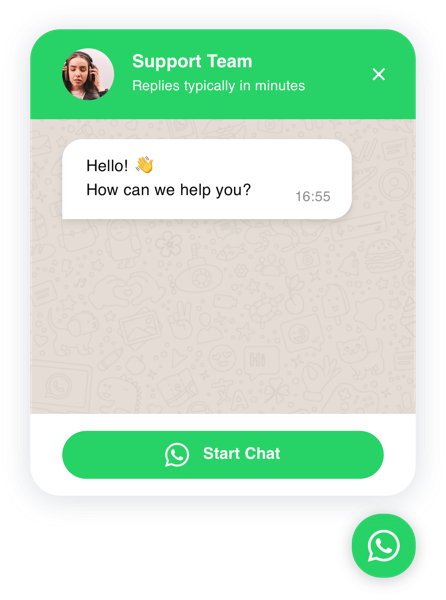
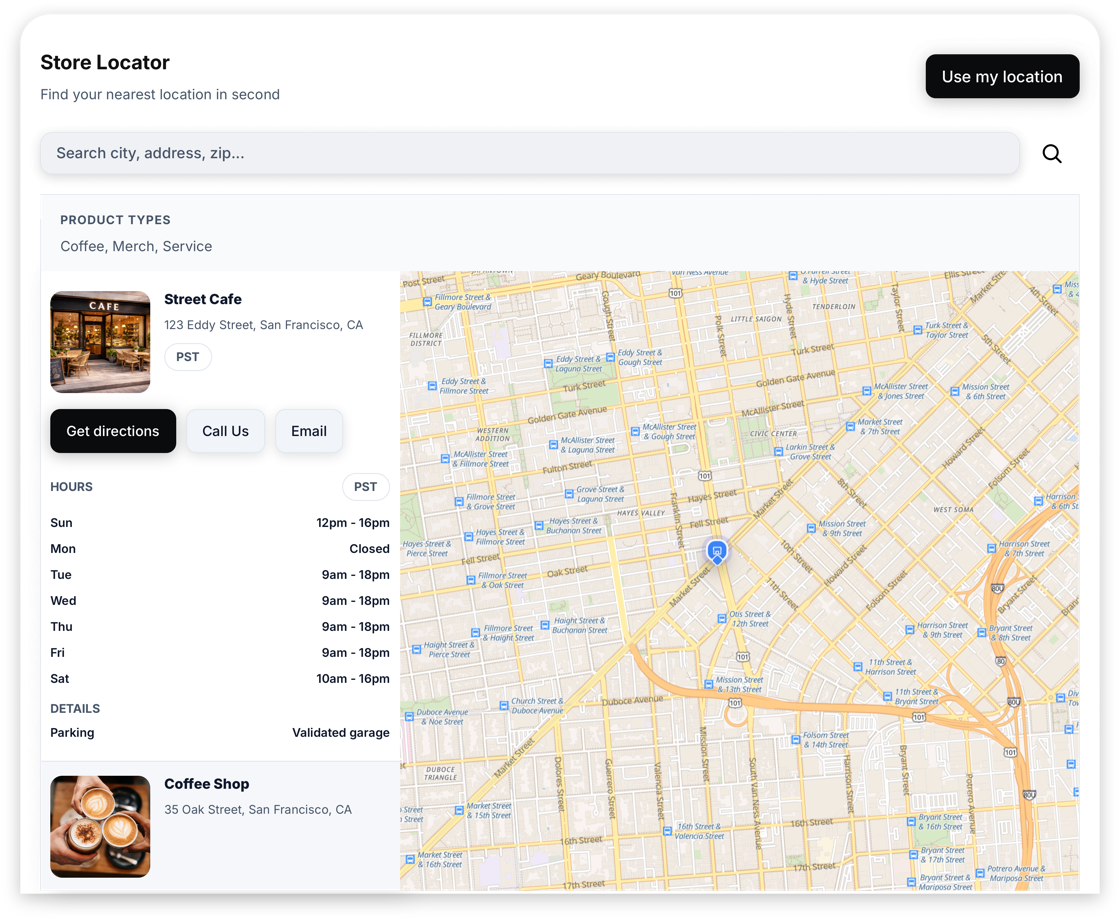
How widgets work (in simple terms)
Most widgets are delivered as an embed script that renders UI inside your page. Modern widgets avoid common pitfalls by:
- Reserving space to prevent layout shift (CLS).
- Isolating styles (so your theme doesn’t break the widget—and the widget doesn’t pollute your site CSS).
- Loading lazily (only when visible) to keep pages fast.
That’s the baseline GizmoSauce optimizes for.
How GizmoSauce compares to popular widget platforms
If you’re choosing between popular no-code widget platforms like Elfsight and Common Ninja, this is the simplest way to think about it (snapshot: Dec 2025):
Elfsight
- Feels like a curated toolkit of “business essentials.”
- Design tends to be clean / corporate.
- Performance and privacy posture vary by widget—always test on your live URL.
Common Ninja
- Feels like a huge marketplace-style catalog (lots of options).
- Design and quality can vary more by widget—plan to validate each embed.
- Performance and privacy posture vary by widget—especially with third-party scripts.
GizmoSauce
- Built for modern design + performance-first defaults.
- Consistent styling so your site doesn’t feel like a patchwork.
- CLS-safe patterns + lazy loading by default; privacy-first patterns (server-side caching where possible).
The goal isn’t to “have the most toggles.” It’s to ship widgets that look native, load fast, and stay stable across builders.
How to add a widget to your website
- Pick a widget from the catalog.
- Customize it in the editor.
- Copy the embed snippet.
- Paste it into your site (WordPress/Webflow/Shopify/HTML).
- Publish and verify it loads on the right pages.
Start here: /widgets.
Step-by-step: build it in GizmoSauce and embed it
If you want a fast, reliable way to ship a what is a widget on a website, this is the “no surprises” workflow.
1) Pick a widget and open the editor
Start in /widgets and choose a widget that matches your goal. For this guide, we’ll use Google Reviews as the example.
Click Customize to open the editor: /get-widget/google-reviews.
2) Configure Content, Layout, and Design
Most widgets follow the same structure:
- Content: what the widget shows (sources, text, items)
- Layout: how items are arranged (grid/list/cards, columns, spacing)
- Design: colors, typography, radius, shadows
Use the preview toggles (desktop/tablet/mobile) to validate the mobile layout before you publish.
3) Save and copy the embed snippet
Click Save & Get Code to publish the widget config and copy your snippet.

4) Paste into your website builder
In your website builder, look for an HTML/code block (often called Embed, Custom HTML, Code, or Custom Liquid). Paste the snippet, publish, then verify on the live URL.
Many platforms don’t execute scripts inside editor previews. If you don’t see the widget immediately, publish to staging/live and reload.
If you’re embedding multiple GizmoSauce widgets on one page, you typically only need one loader script per page. Duplicating loaders can cause flicker or redundant work.
Platform notes (WordPress, Webflow, Shopify, and HTML)
The same embed snippet works across builders—you’re mostly choosing where to paste it.
WordPress
Use a Custom HTML block in the block editor (or an HTML module in Elementor). See the WordPress integration guide: /integrations/wordpress.
Webflow
Use an Embed element and publish to staging/live to verify (scripts can be limited in preview). Guide: /integrations/webflow.
Shopify
Use Custom Liquid (recommended) or add the snippet to your theme layout for site-wide widgets. Guide: /integrations/shopify.
Plain HTML / any framework
Paste the snippet into your HTML (often before </body>). If you use React/Vue/etc, avoid inserting the loader multiple times on re-renders.
Troubleshooting checklist (when it doesn’t show)
If your widget doesn’t appear, these are the fastest fixes:
- Hard refresh (Cmd+Shift+R / Ctrl+Shift+R) or try an incognito window.
- Confirm the snippet is pasted on the right page and in the right section.
- Check whether the builder strips script tags.
- Make sure you didn’t paste the loader script multiple times.
- If you use a cache/performance plugin, purge cache.
For a deeper checklist, see: /help/install-and-embed/embed-basics/embed-troubleshooting.
If you still can’t get it live, send us your page URL and we’ll help you debug: /support.
Performance, privacy, and safety (what “good” looks like)
A widget should help conversions without hurting UX. Here’s what to look for:
- No layout shift (CLS): good widgets reserve space so content doesn’t jump.
- Lazy loading: load only when visible (or when the user interacts).
- Style isolation: avoids theme CSS breaking the widget.
- Safe URL handling: blocks unsafe schemes like
javascript:in links/media sources.
GizmoSauce applies URL sanitizing and isolates widget rendering to reduce common risks. If you add links or assets manually, stick to normal https:// URLs.
Want a deeper explanation? Start here: /help/security-and-troubleshooting/security/xss-and-safe-embeds.
FAQ
Are website widgets safe?
Do widgets slow down a website?
Do I need to code to add a widget?
Product updates
Occasional widget launches, design notes, and growth ideas. No spam.